
3 hr
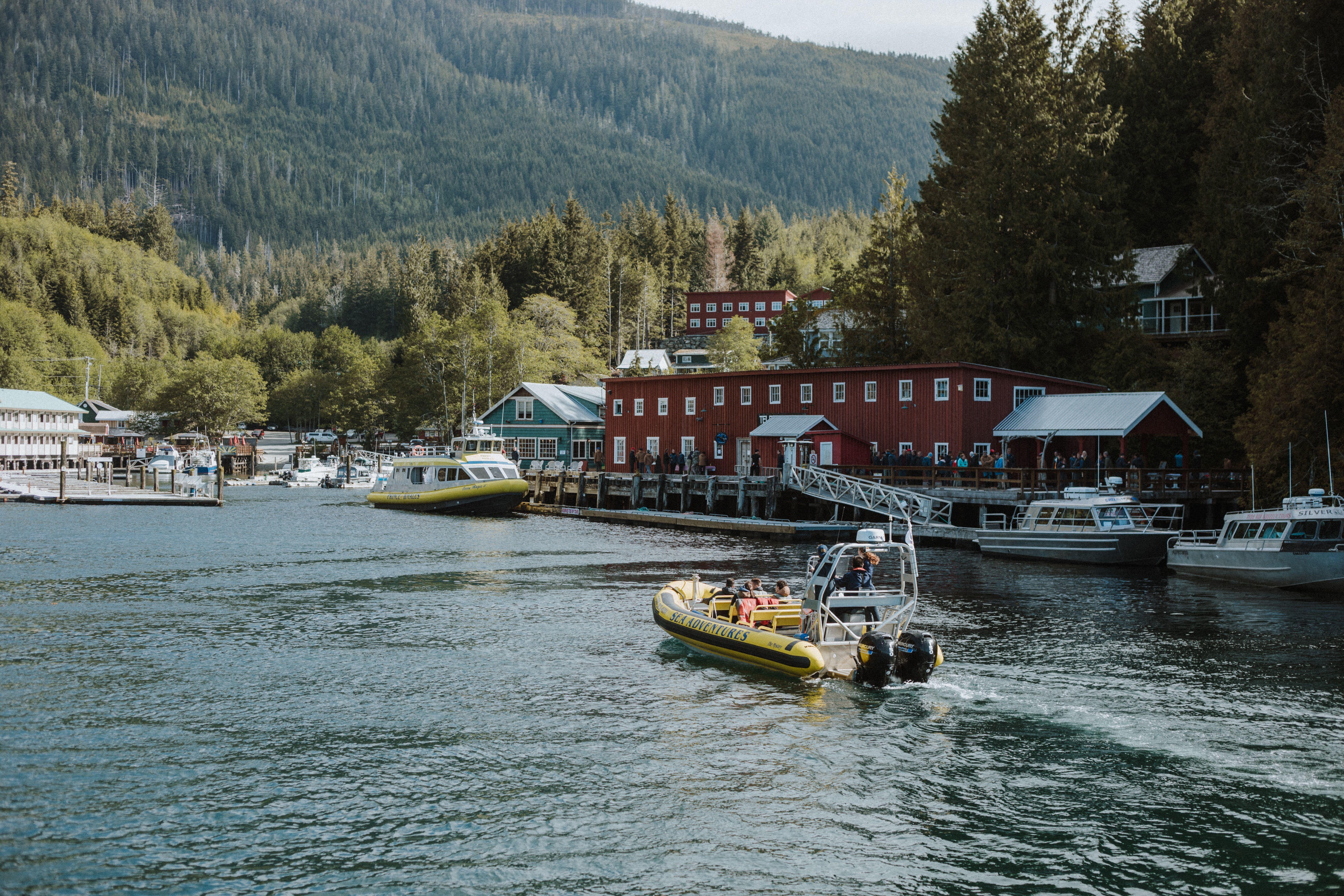
Telegraph Cove Zodiac Whale Watching Adventure
Speed across coastal waters in search of orcas, humpbacks, and marine wildlife on this thrilling 3-hour expedition
Reserve
Hand-picked by our editors — only the best 5 experiences from 40 reviewed.
Verified partners for every tour, free cancellation where available, and instant confirmation on every booking.
3 hr
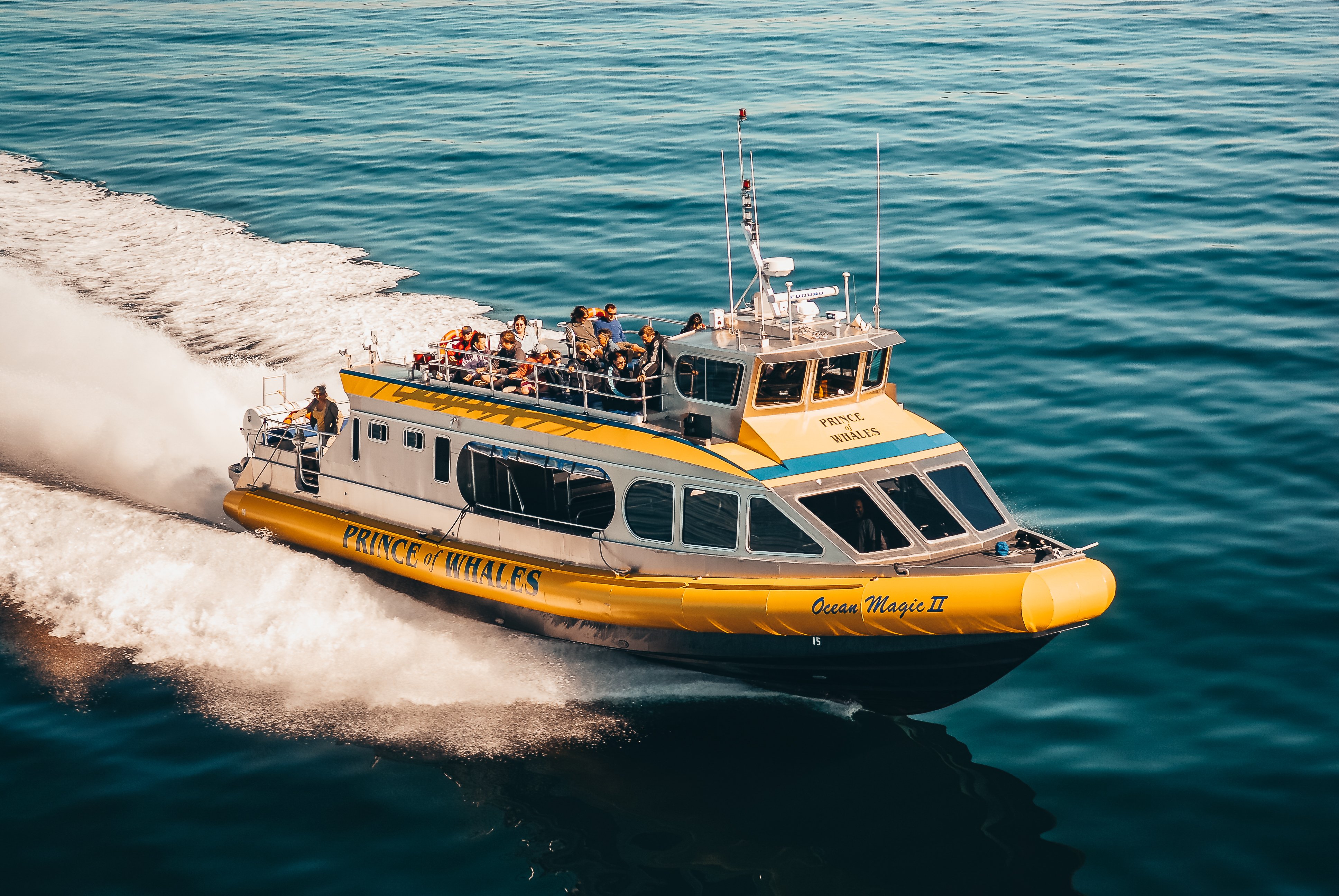
Speed across coastal waters in search of orcas, humpbacks, and marine wildlife on this thrilling 3-hour expedition
Reserve
3 hr
Three-hour guided marine wildlife adventure aboard a custom express cruiser with complimentary photography
Reserve
8 hr
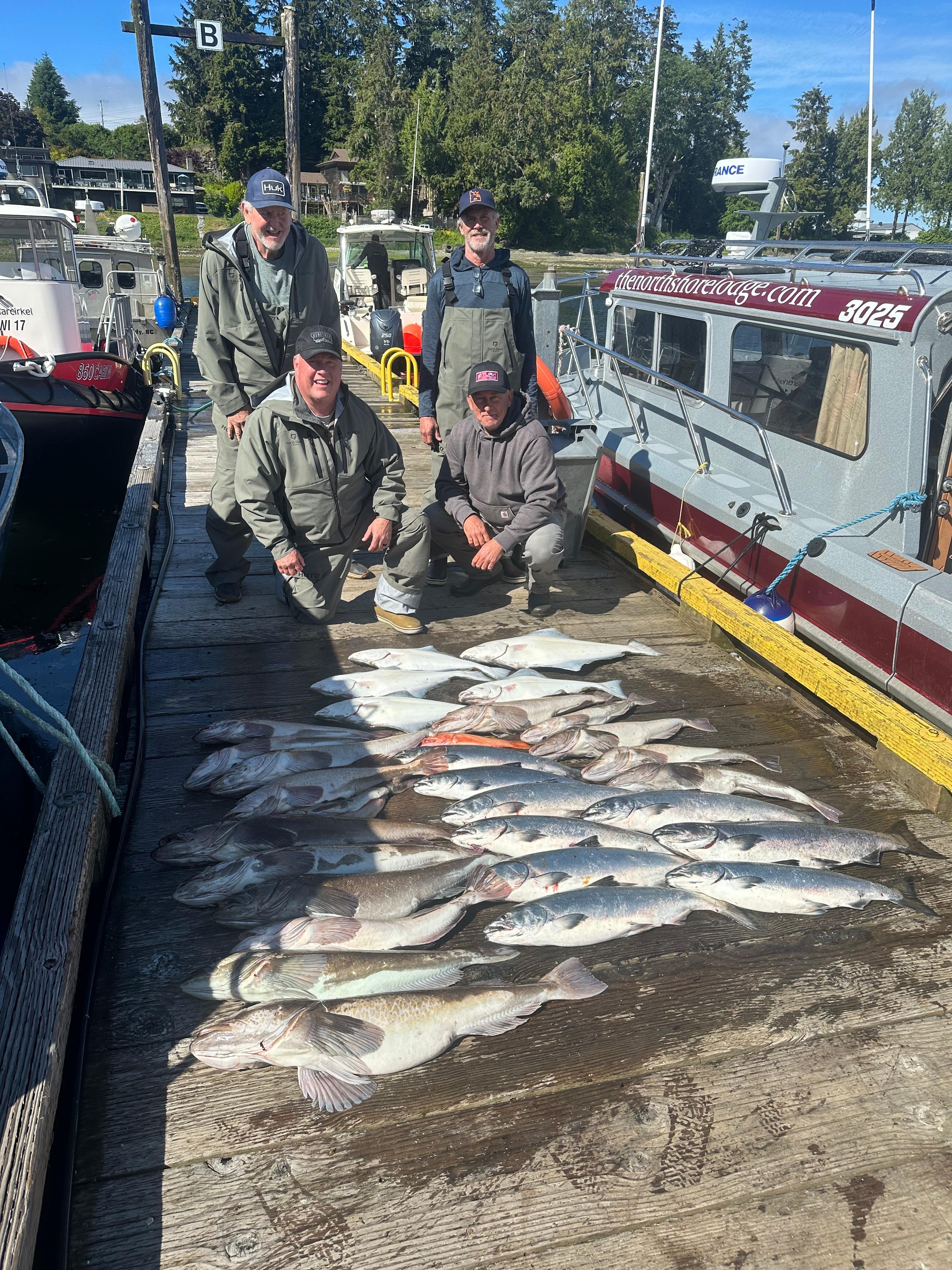
Pursue salmon and halibut in the rich waters off Vancouver Island's northern coast with expert guides
ReservePrices from verified partners. Availability updates in real time at checkout. Free cancellation policies apply where shown.
The landmarks, rooms, and views travelers on this tour remember — all visible on a single visit.
Primary location for observing orca pods in their natural habitat.
Significant landmark known for frequent whale activity and coastal views.
Historic path featuring original buildings from the early logging days.
Facility focused on education regarding local whales and ecosystem health.
They complement each other; most visitors who do both call motorboat tours better for wide-ranging exploration, while kayak whale watching telegraph cove tours provide superior silence and immersion.
| Feature | Top pick Sea Kayaking | Motorboat Tours |
|---|---|---|
Proximity to wildlife |
Quiet approach | Loud engine/distant observation |
Physical effort level |
High physical demand | No physical effort required |
Wildlife observation range |
Localized/coastal areas | Expansive marine coverage |
Environmental impact |
Zero emission/silent | Noise pollution/fuel usage |
Tour duration |
3–8 hours | 2–4 hours |
Flexibility |
Fixed pace/tidal dependence | High speed/wide range |
| See tickets → |
Verdict: Choose a kayak whale watching telegraph cove tour for a meditative, eco-conscious encounter, or select motorboats when you need to cover distance for diverse kayak whale watching telegraph cove tickets sightings across the Johnstone Strait.
Choose your ticket, select your date, and reserve in under two minutes. Secure checkout handled by our verified partner.
Instant confirmation by email, with a mobile voucher you can save offline. No printing, no queuing at a collection desk.
Arrive at the entrance, show your voucher on your phone, and walk in. Most tickets include priority or skip-the-line access.
Practical details for your visit straight from our verified partners — hours, access, rules, and how to get there.
Telegraph Cove, BC V0N 3J0
Main staging area for all water activities.
Drive north on Highway 19 and follow signs for the Telegraph Cove exit.
Wear synthetic, moisture-wicking layers and bring a waterproof jacket regardless of the forecast. Avoid cotton fabrics that stay cold when wet.
Keep belongings minimal and use provided dry bags for electronic devices. Large suitcases are not permitted on small kayaking vessels.
Use a waterproof housing or tether for all cameras and mobile devices. Respect wildlife by maintaining distance and minimizing loud noises.
Kayaking requires physical ability to enter and exit boats from docks or shorelines. Guests with limited mobility should consult with staff before booking.
Mobile signal is inconsistent along the coast. Store devices in dry bags when on the water.
Minimum age requirements often apply for kayak whale watching telegraph cove to ensure safety. Children must be accompanied by an adult at all times.
Bring reusable water bottles and high-energy snacks. Dispose of all waste properly to protect the marine environment in Telegraph Cove.
Pets are generally not permitted on guided kayak tours to ensure wildlife safety. Check with your specific provider regarding dock policies.
All kayak whale watching telegraph cove tours are weather-dependent. Safety briefings are mandatory before departure.
Telegraph Cove, BC V0N 3J0
Main staging area for all water activities.
Get directionsBest time to go, insider tips, nearby landmarks, and the cancellation fine print — flip through to skim what matters to you.
How crowds, weather, and events shift across the year.
Peak season for orca sightings in the Johnstone Strait region.
Cooler temperatures with excellent opportunities to see migratory wildlife.
Quieter period on the water with potential for dramatic coastal weather.
Small details that turn a good visit into a great one.
Maintain at least 100 meters from whales at all times.
Weather changes rapidly; always pack an extra waterproof layer.
Check tidal charts as they influence launch ease and wildlife patterns.
Secure kayak whale watching telegraph cove tickets well in advance during July and August.
Non-bookable sights within a short walk — free to visit, easy to pair.
Dedicated to marine biology and local conservation efforts.
Historic wooden path offering scenic views of the marina.
Broad tidal flats perfect for coastal exploration.
Flexible, no hidden fees.
Full refunds are typically provided for cancellations made at least 48 to 72 hours in advance. Entrance to the community remains 0 CAD as there is no entry fee to access the area.
Hand-picked options within walking distance — pick a district for vibe, or a specific hotel for convenience.
Rustic cabins located directly on the historic boardwalk.
Waterfront hotel located in nearby Port McNeill.
Telegraph Cove began as a single one-room telegraph station at the end of a wire strung down Vancouver Island's east coast in 1912. The village that followed was built on stilts. Roughly two dozen heritage buildings still stand on pilings above the tideline, joined by a boardwalk of weathered cedar, each structure painted and named for the family that once occupied it. A sawmill operated here until 1985. The population has never exceeded a few hundred. What draws visitors now lies offshore. Johnstone Strait, the channel separating Vancouver Island from the mainland, funnels tidal current past Robson Bight — an ecological reserve established in 1982 to protect the gravel rubbing beaches where northern resident orcas scrape their bellies against smooth stones. No other population of killer whales is known to perform this behaviour. Roughly 300 northern residents move through these waters between June and October, following returning salmon. Humpbacks, absent for decades after commercial whaling, have returned in growing numbers since the early 2000s. Dall's porpoise, Steller sea lions and bald eagles are common. Guided kayak whale watching telegraph cove departures launch directly from the cove's protected inner harbour, a distinction that shapes the entire experience: paddlers reach open water within minutes rather than hours. The strait's geography does the work. Deep water, narrow passages and strong flood tides concentrate herring and salmon, and the animals follow. Sound carries with unusual clarity here; the Orcalab hydrophone network on nearby Hanson Island has broadcast resident orca calls since 1970, one of the longest continuous acoustic studies of any wild mammal population. Sea kayaks, silent and low to the surface, remain the least intrusive vessel from which to observe this — a reason kayak whale watching telegraph cove tours are governed by strict approach distances rather than pursuit. The village itself is small enough to cross in ten minutes. A whale interpretive centre on the boardwalk holds an articulated fin whale skeleton, one of very few on public display in Canada. Behind the buildings, second-growth forest climbs steeply. Ahead, the water rarely stays still. Telegraph Cove has become the primary launch point on northern Vancouver Island precisely because so little separates the dock from the deep channel — the marine wilderness starts where the boardwalk ends, and it has for over a century.
"The marine wilderness starts where the boardwalk ends."
A step-by-step walkthrough of the visit — what you'll see, how long each stage takes, and the details that matter.
You park above the village and walk down. The boardwalk gives slightly underfoot, cedar planks over tidewater, and you follow it past painted stilt houses to the launch area. Your guide fits your spray skirt, checks your PFD and runs a dry-land paddle brief on the dock — low-angle stroke, sweep turn, what to do if a whale surfaces close. Boats are stable doubles. You are told to keep your camera stowed until you are on the water. You push off into the inner harbour and clear the breakwater within five minutes. The paddling settles into rhythm. Kelp beds slide beneath the hull, translucent brown, and Steller sea lions haul out on rock to the north. Your guide raises a flat hand and the group stops paddling. You sit still. A blow carries across the water first, then a dorsal fin, then breathing you feel more than hear. Nobody speaks. This is the part of a kayak whale watching telegraph cove tour that no photograph reproduces. Afterwards you raft up for a snack, hands cold, and paddle back along the shoreline. You haul the boat, return your gear, and climb the ramp to the boardwalk. Kayak whale watching telegraph cove tickets are collected at the dock office, so you finish where you started — salt on your sleeves, boots on cedar.
The facility is open daily from 09:00–17:00.
Yes, kayak whale watching telegraph cove tickets should be booked in advance to guarantee availability.
Aim to arrive between 09:00–12:00 for the calmest water conditions.
No, there is 0 CAD entrance fee to the community of Telegraph Cove.
Most operators have minimum age requirements for kayak whale watching telegraph cove tours; please check with your provider.
Providers typically supply all necessary equipment, but you may bring personal small cameras or gear in dry bags.
Tours are weather-dependent and will be rescheduled or refunded if safety is compromised.
The location is in Telegraph Cove, BC V0N 3J0, accessible via Highway 19.
Yes, there is public parking near the entrance to the historic boardwalk.